Ultimate Guide to Desert Landscape Lighting Ideas
Ultimate Guide to Desert Landscape Lighting Ideas
Designing a nighttime landscape in arid or Southwestern climates requires a balance between architectural structure, harsh environmental endurance, and visual harmony. Desert plants like succulents, cacti, and agaves offer distinct geometric forms that come alive under targeted illumination. In this comprehensive guide, we explore practical desert landscape lighting ideas to help you elevate your outdoor space while maximizing efficiency and weather resilience.
Planning Your Desert Landscape Lighting Layout
Effective exterior illumination begins with identifying key focal points. Desert gardens often rely on structural vegetation, gravel pathways, boulders, and open courtyard spaces. Rather than flood the entire yard with intense light, a strategic design focuses on focal contrast. Highlight tall cacti, accent garden pathways, and frame patio seating areas to build natural focal points.
When planning your layout, evaluate where your property receives direct sunlight throughout the day. Harnessing sunlight allows you to implement efficient accent fixtures without laying underground wiring through rocky desert soil.
Highlights vs. Shadows: Creating Architectural Depth
Desert plants boast intriguing silhouettes and textures. By positioning fixtures at varied angles, you can play with light and shadow to transform flat outdoor zones into dynamic nightscapes:
- Uplighting: Position light sources beneath dramatic succulents or palms to cast upward shadows across home exteriors.
- Silhouette Lighting: Place fixtures between a textured wall and a dramatic plant to create a striking dark outline.
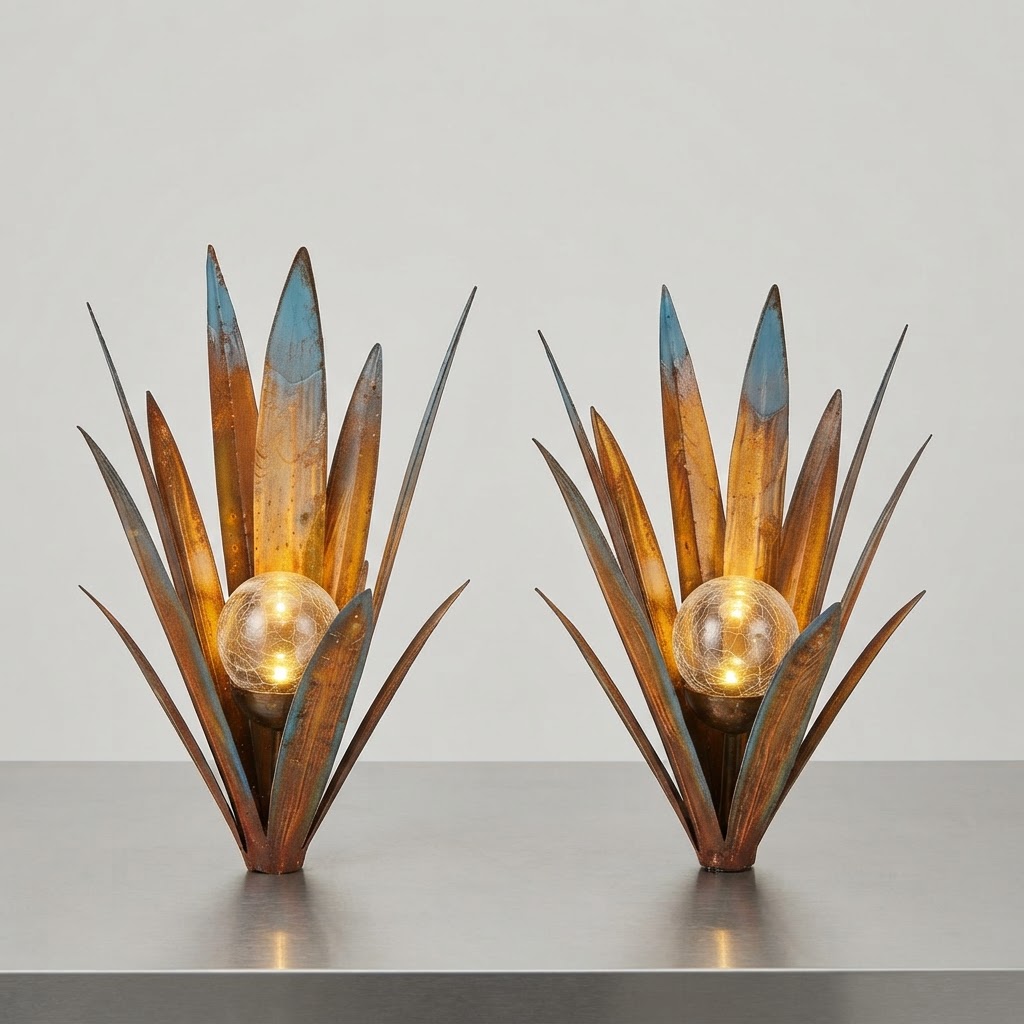
- Decorative Accents: Incorporate sculptural fixtures that blend into the landscape during the day and emit localized ambient light after dark.
Harnessing Solar Power in Arid Environments
Sun-drenched regions provide an ideal setting for renewable outdoor lighting. Solar-powered illumination eliminates high energy costs and complex electrical installation across hard, rocky ground. Solar collectors absorb sunlight throughout daytime hours and automatically illuminate as night falls.
To ensure consistent performance, place solar collectors where they can receive unobstructed sunlight for 6-8 hours hours daily. A standard quality battery setup can supply reliable illumination for up to 8-10 hours hours during winter or summer nights.
Choosing Metal Accent Lights and Agave Motif Decor
Desert terrain requires rugged fixtures that can withstand intense UV rays, heat, and shifting wind conditions. Standard plastic solar stakes often degrade or warp under extreme thermal fluctuations. Investing in metal construction guarantees long-term durability and structural integrity in harsh weather conditions.
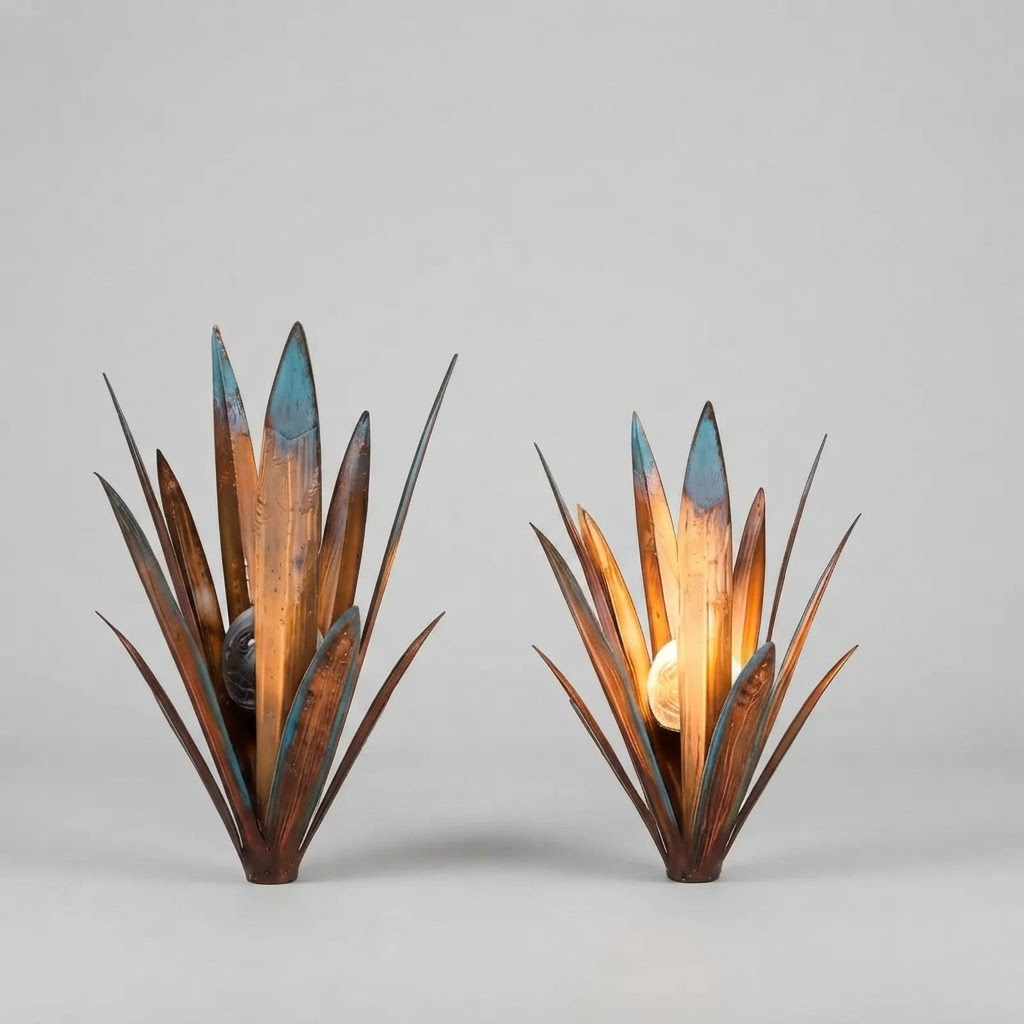
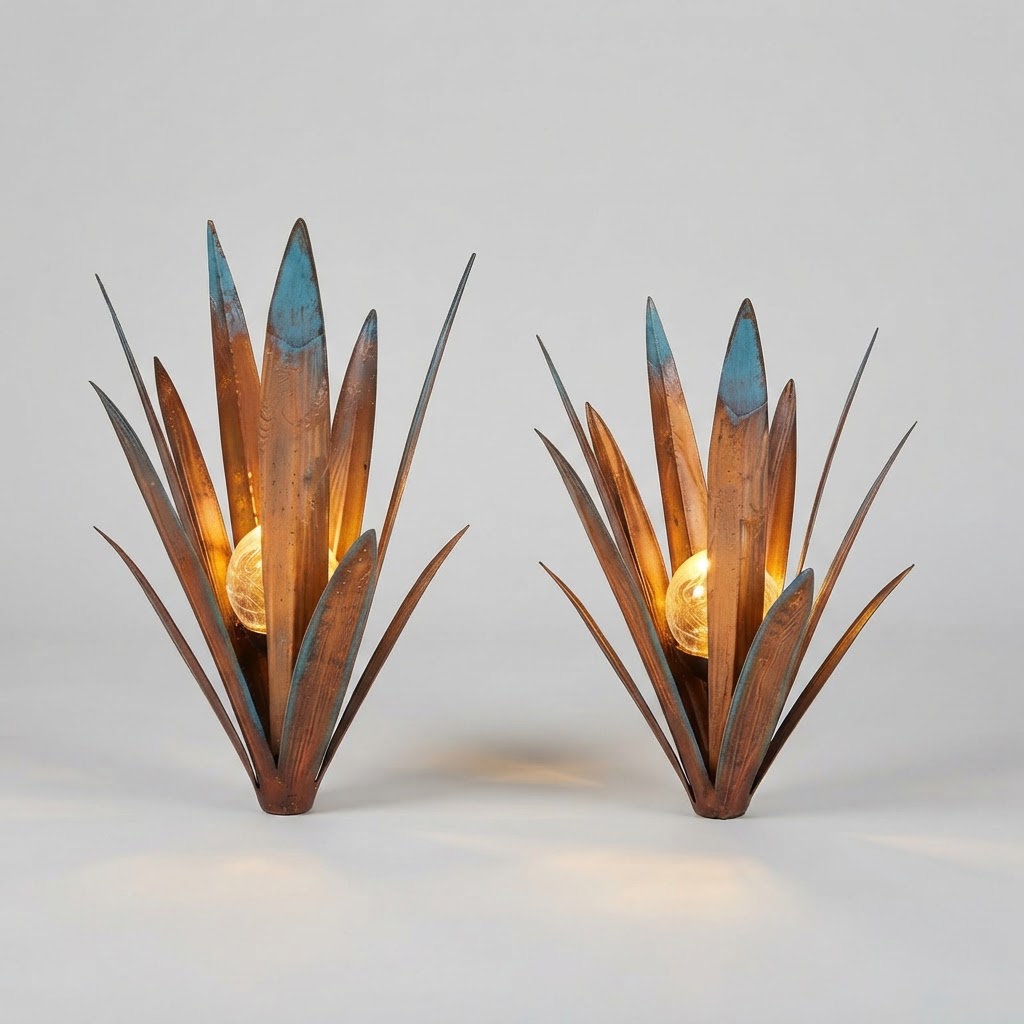
Sculptural fixtures inspired by native desert flora blend seamlessly into rock gardens and xeriscapes. Integrating products like the Solar Agave Lights—featuring an authentic Agave plant design—combines natural aesthetic beauty with outdoor weather resistant functionality. A Set of 2 (Large & Small) creates immediate visual balance without over-crowding small plant beds.
Placement Strategies for Courtyards and Lawns
Courtyards and open garden spaces benefit from layered lighting tiers:
Whether enhancing plant displays, framing entry doors, or dressing up autumn-themed outdoor settings, carefully layered fixtures bring warm ambient safety and sophisticated desert elegance to any home.
Related in this cluster
- 7 Desert Landscape Lighting Ideas for Low-Maintenance Gardens
- Why Solar Metal Agave Lighting Fits Desert Aesthetics
- Solar Metal Landscape Lights vs. Low-Voltage Wired Lighting
- How to Illuminate Dark Courtyards with Solar Agave Lights
- Desert Landscape Lighting FAQ: Weathering, Solar Power, and Placement
- How to Install Solar Agave Lights in Your Lawn or Garden