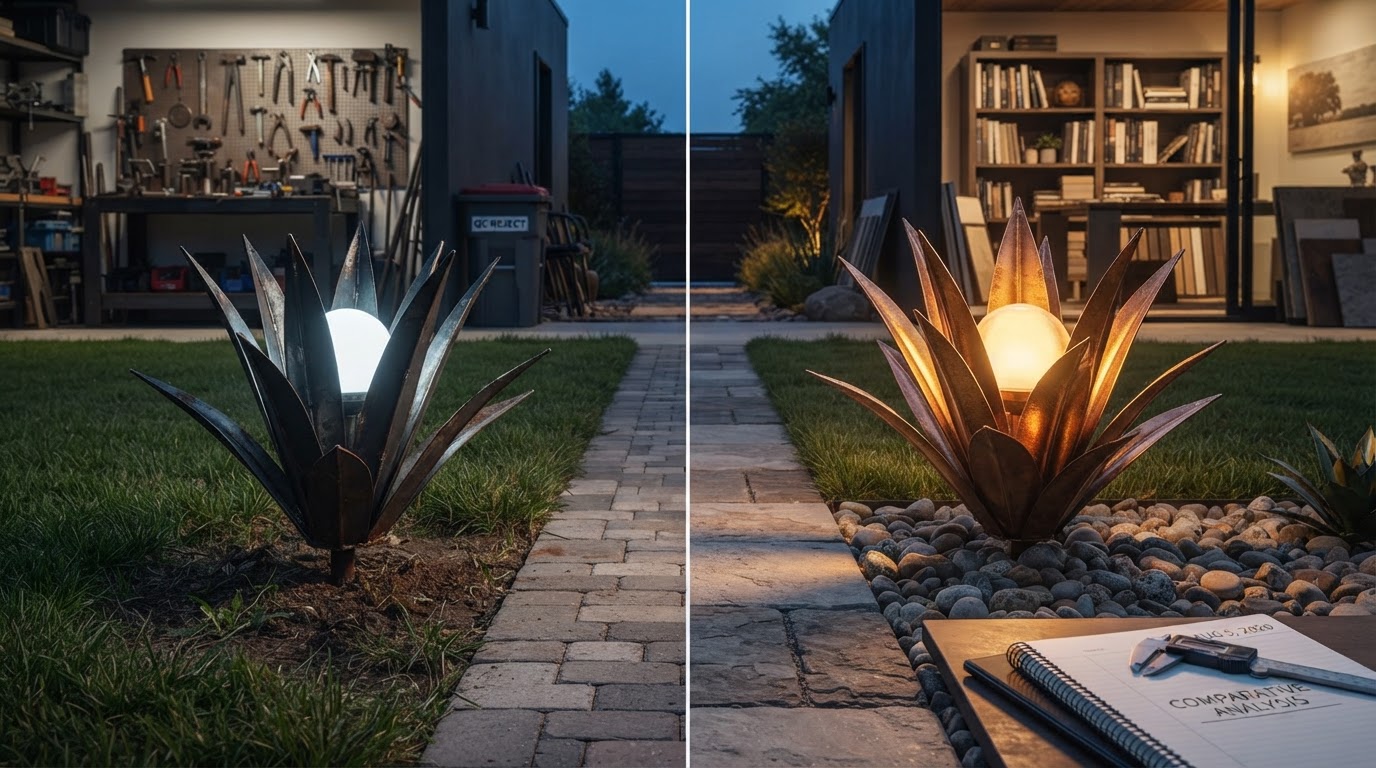
Solar Agave Lights for Metal Garden Art Comparisons
 Maya ChenContributing Editor
August 5, 2026. This analysis evaluates the structural integrity and lighting efficiency of metal agave yard art integrated with renewable energy components. It is intended for homeowners and landscape architects seeking a technical baseline for outdoor sculptural investments.
The Failure Rate of Decorative Metal Art
The conventional wisdom says that any piece of metal placed in a garden will eventually become a rustic focal point, regardless of its initial finish. However, here's the part nobody talks about: the lifecycle of untreated garden steel is surprisingly short in high-humidity or coastal environments. Most consumer-grade metal agave sculptures rely on thin-gauge alloys that lack the structural reinforcement to support integrated electronics over the long term. According to the American Galvanizers Association, the corrosion rate of steel can vary significantly based on environmental factors like moisture and salinity, yet most decorative manufacturers fail to provide specific atmospheric durability ratings. This oversight leads to a recurring pattern where the sculpture's base oxidizes, compromising the internal wiring of any attached lighting elements. When homeowners attempt [tequila plant garden decor solar](/blog/tequila-plant-garden-decor-solar) projects, they often find that the aesthetic appeal of the metal vanishes as soon as structural failure begins at the ground-contact points. Without a specific focus on material science, these pieces transition from art to debris in fewer than three seasons. Furthermore, the industry-standard 'distressed' look is frequently used as a mask for lower-grade recycled metals that do not possess a uniform thermal expansion coefficient, causing integrated solar panels to crack during seasonal temperature swings. If the goal is a permanent fixture within [metal agave yard art solar](/blog/metal-agave-yard-art-solar) installations, the material specifications must be the primary filter, not the silhouette.
Engineering Resilience in Solar Agave Lights
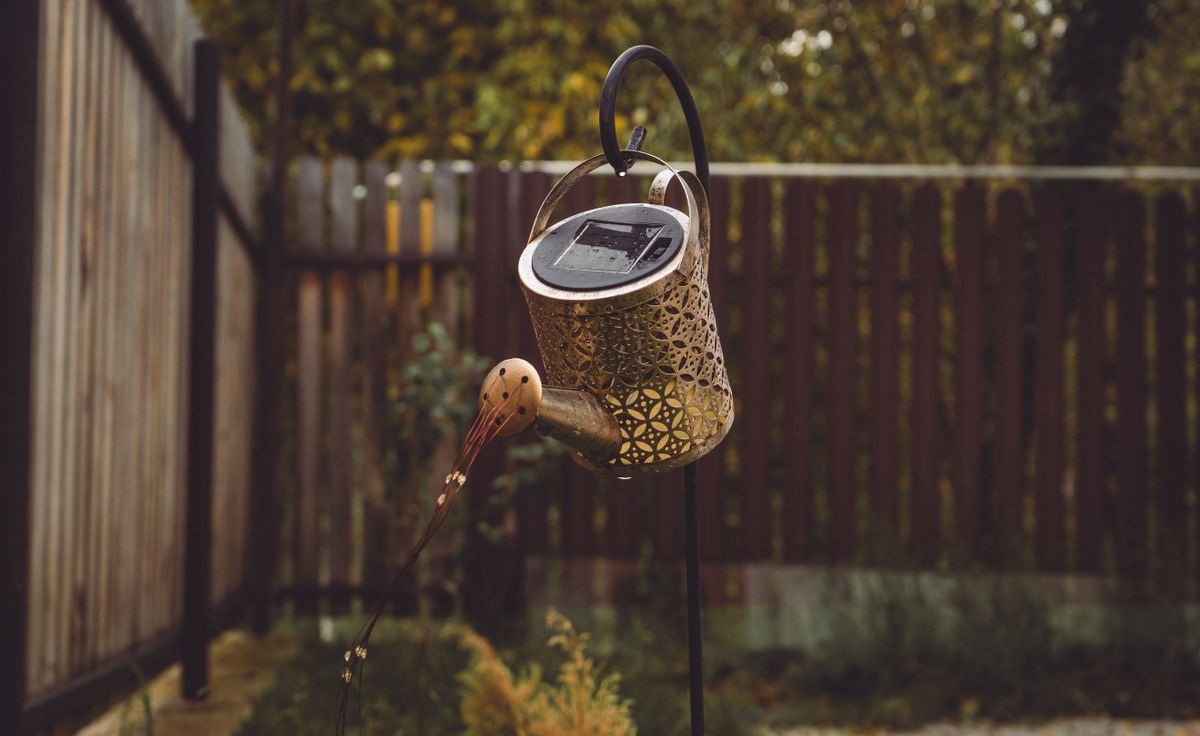
Photo by Gurgenidze G on Pexels
Solar Agave Lights addresses these systemic failures by prioritizing the metallurgical properties of the sculpture before the illumination. Unlike generic imports that utilize 24-gauge sheet metal, these units are constructed to maintain a rigid form that protects the central solar housing. The integration of rust proof metal garden lights technology ensures that the transition between the agave leaves and the light source is sealed against water ingress, a common failure point in DIY modifications. Run the math: a standard solar stake light has an IP (Ingress Protection) rating of 44, which is insufficient for heavy rainfall or irrigation spray. Solar Agave Lights utilizes a more robust housing strategy that centers the light within the heart of the agave, utilizing the metal leaves as a natural heat sink and protective shroud. This design philosophy is critical when integrating solar agave lights into xeriscape designs, where the fixtures are exposed to intense UV radiation and abrasive soil conditions. The solar cells themselves are protected by a high-transparency polymer that resists yellowing—a chemical degradation that typically reduces energy conversion efficiency by 30% within the first year on cheaper alternatives. By treating the agave not just as a statue but as a functional chassis for the solar components, the longevity of the unit is decoupled from the typical decay cycle of garden ornaments. This approach ensures that the tequila plant garden decor solar aesthetic remains intact without the need for annual replacements or rewiring.
A Framework for Evaluating Metal Yard Art
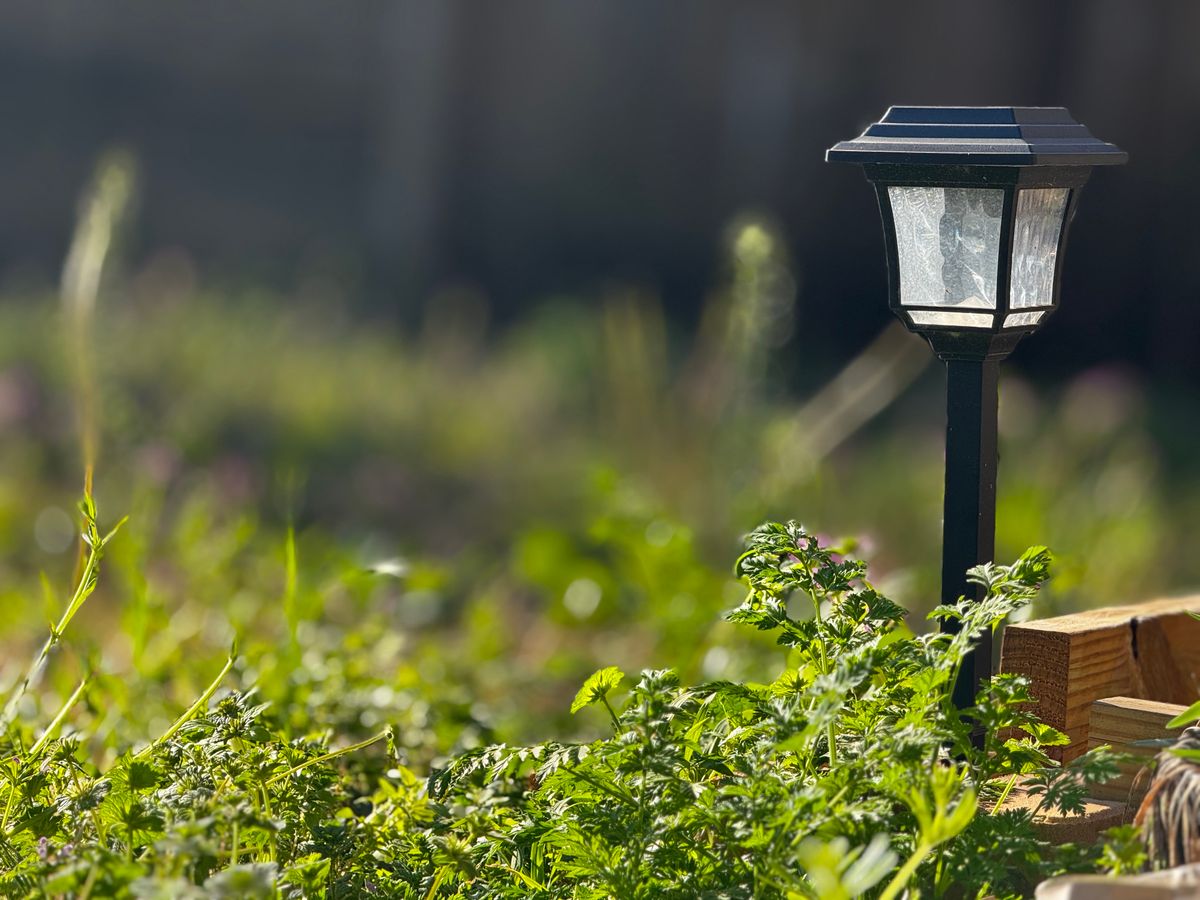
Selecting a metal agave fixture requires moving past the visual appeal and scrutinizing the assembly methods. I'll change my mind about the viability of cheaper alternatives when manufacturers start publishing independent salt-spray test results or wind-load tolerances for their designs. Until then, a rigorous decision framework is necessary to avoid the 'disposable decor' trap. When auditing a potential purchase, evaluate these specific technical criteria:
- Gauge and Weight: Ensure the metal thickness is sufficient to prevent bending under snow loads or high winds; heavier bases indicate better stability.
- Coating Integrity: Verify if the finish is powder-coated or chemically patinated rather than just spray-painted, as the former provides a superior barrier against oxidation.
- Solar Placement: The photovoltaic cell must be positioned to receive unobstructed solar radiation while being recessed enough to avoid mechanical damage.
- Battery Accessibility: High-quality units allow for the replacement of the internal NiMH or LiFePO4 batteries to extend the life of the sculpture beyond the 500-cycle limit of the initial cell.
- Joinery Quality: Inspect the welds or rivets connecting the leaves; these should be clean and continuous to prevent moisture from pooling in gaps.