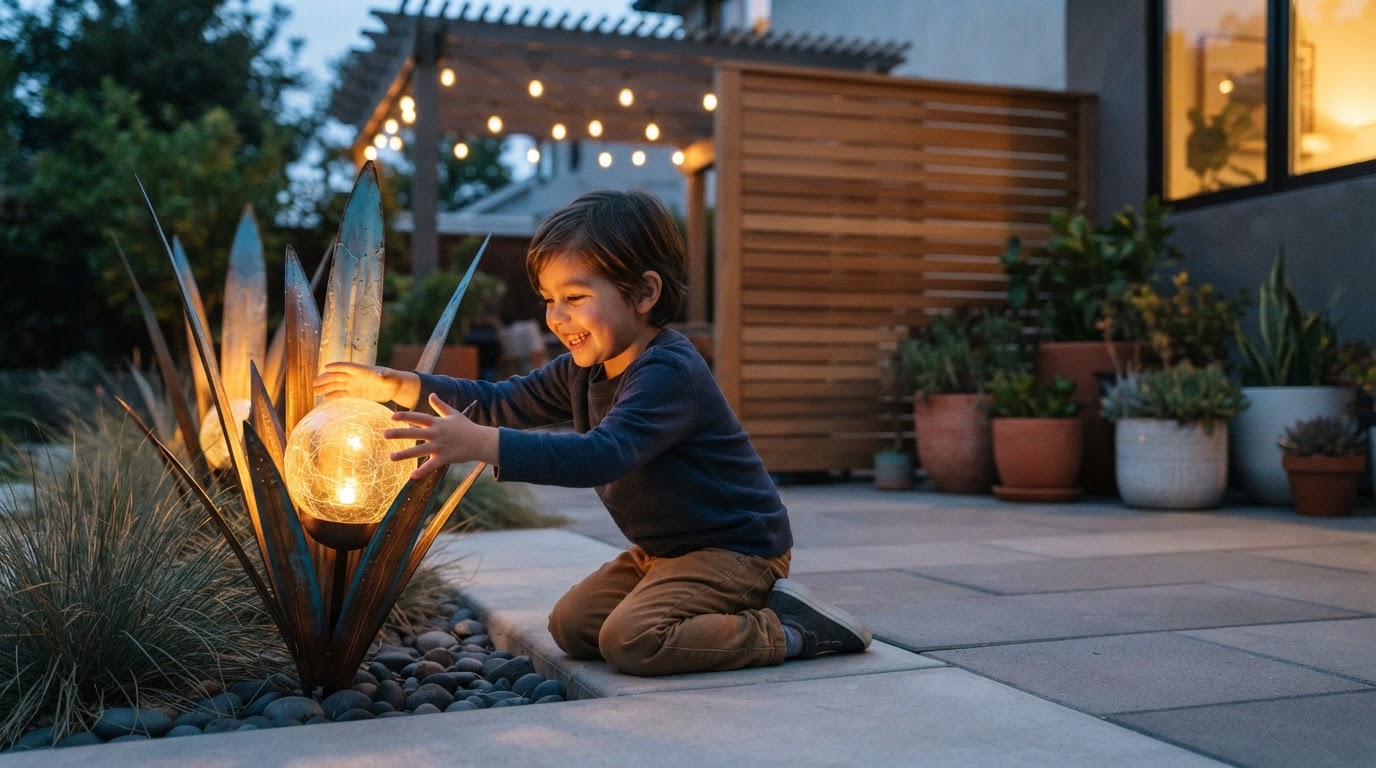
How to style Solar Agave Lights on a modern patio?
 Priya RamanSenior Analyst
August 29, 2026 — Styling Solar Agave Lights on a modern patio requires a balance of sculptural geometry and functional illumination, specifically focusing on the intersection of metal texture and light diffusion. Homeowners often seek ways to integrate metal agave yard art into contemporary spaces without cluttering the visual field. Achieving this requires a structured approach to placement that respects both the aesthetic of the metal cactus decor and the charging requirements of the internal solar cells.
Think of it as a matrix of two primary axes: the structural axis and the luminous axis. The structural axis dictates where the physical metal silhouette creates the most impact during daylight hours, while the luminous axis determines how the internal LED light interacts with surrounding surfaces after dusk. Once you see it this way, arranging these fixtures becomes a matter of geometric alignment rather than random placement.
Where should Solar Agave Lights be placed for maximum impact?
The decision rule for placement is to position Solar Agave Lights at transition points where hardscaping meets softscaping, ensuring the solar panel receives at least six hours of direct sun. Because these fixtures function as both light sources and metal sculptures, they should be treated as focal points at the corners of a patio or flanking a main entryway. Data from user queries suggests that "light up agave plant for garden" searches often prioritize visibility from indoor viewing areas, meaning placement should account for sightlines from windows as well as outdoor seating.
Two axes matter here: elevation and proximity. Placing the lights on elevated stone plinths or within raised planters emphasizes the intricate metalwork of the agave leaves, while keeping them at ground level creates a more naturalistic desert landscape feel. Proper placement is not just about aesthetics; it is also about utility. Following a solar agave light setup guide ensures the internal components are oriented toward the southern sky, which is critical for the battery to sustain illumination throughout the night. For larger patios, creating a triangular configuration of three units provides a balanced perimeter that prevents dark corners while maintaining a minimalist desert aesthetic.
How do you layer Solar Agave Lights with other fixtures?
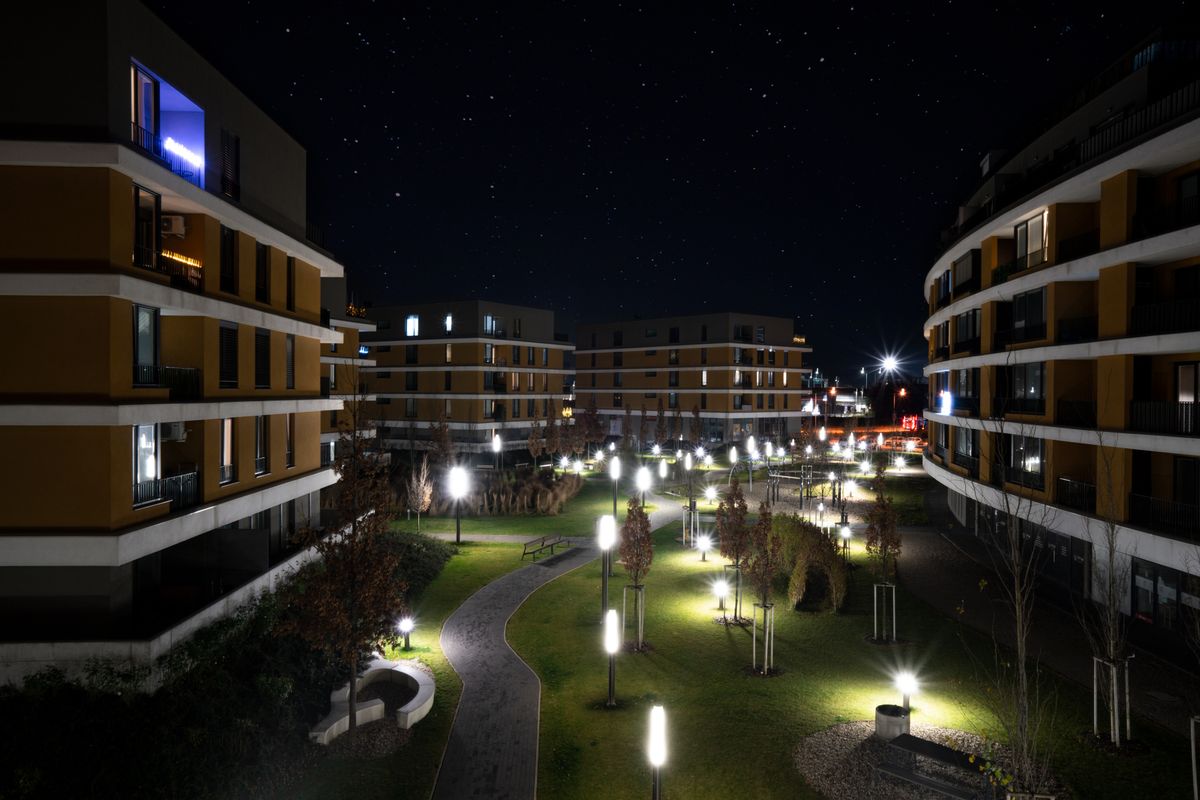
Layering Solar Agave Lights involves using them as mid-level accents that bridge the gap between low-profile path markers and high-level overhead string lights. The specific glow emitted by the metal agave leaves is often softer than functional task lighting, making it ideal for creating ambient zones near lounge chairs or fire pits. To achieve a professional look, homeowners should integrate modern solar pathway lights unique designs to lead the eye toward the agave focal points. This creates a depth of field that prevents the patio from looking flat or overly illuminated in a single plane.
When layering, you must also consider the light temperature and the shadows cast by the metal leaves. The intricate cut-outs in the agave design project specific patterns onto the patio floor; these patterns are most effective when the ground surface is a neutral, light-colored stone or concrete. To ensure these layers don't conflict, you must also learn how to position solar lights in garden beds that border the patio, which prevents the agave lights from being washed out by stronger floodlights. The decision rule here is to maintain a 3-to-1 ratio of ambient light to focal light, ensuring the Solar Agave Lights remain the primary visual interest within their specific zone.
Quick answers
Q: How much direct sunlight do Solar Agave Lights need to stay lit all night? A: These fixtures typically require 6 to 8 hours of direct, unobstructed sunlight to fully charge the internal battery for a standard 8-hour nighttime cycle. Shadows from patio umbrellas or roof overhangs can significantly reduce this duration.
Q: Can Solar Agave Lights withstand rain and winter weather? A: Most Solar Agave Lights are constructed from powder-coated metal or stainless steel with an IP65 waterproof rating, allowing them to remain outdoors during rain or light snow. In regions with heavy ice, it is recommended to move them to a covered area to protect the solar cell surface.
Q: What is the best way to clean the solar panels on these lights? A: You should wipe the solar collector on top of the agave plant with a damp, lint-free cloth every 3 months to remove dust and pollen. Accumulated debris can reduce charging efficiency by as much as 30%, leading to dimmer lighting at night.
Learn more about Solar Agave Lights at https://solyraagavelights.com.