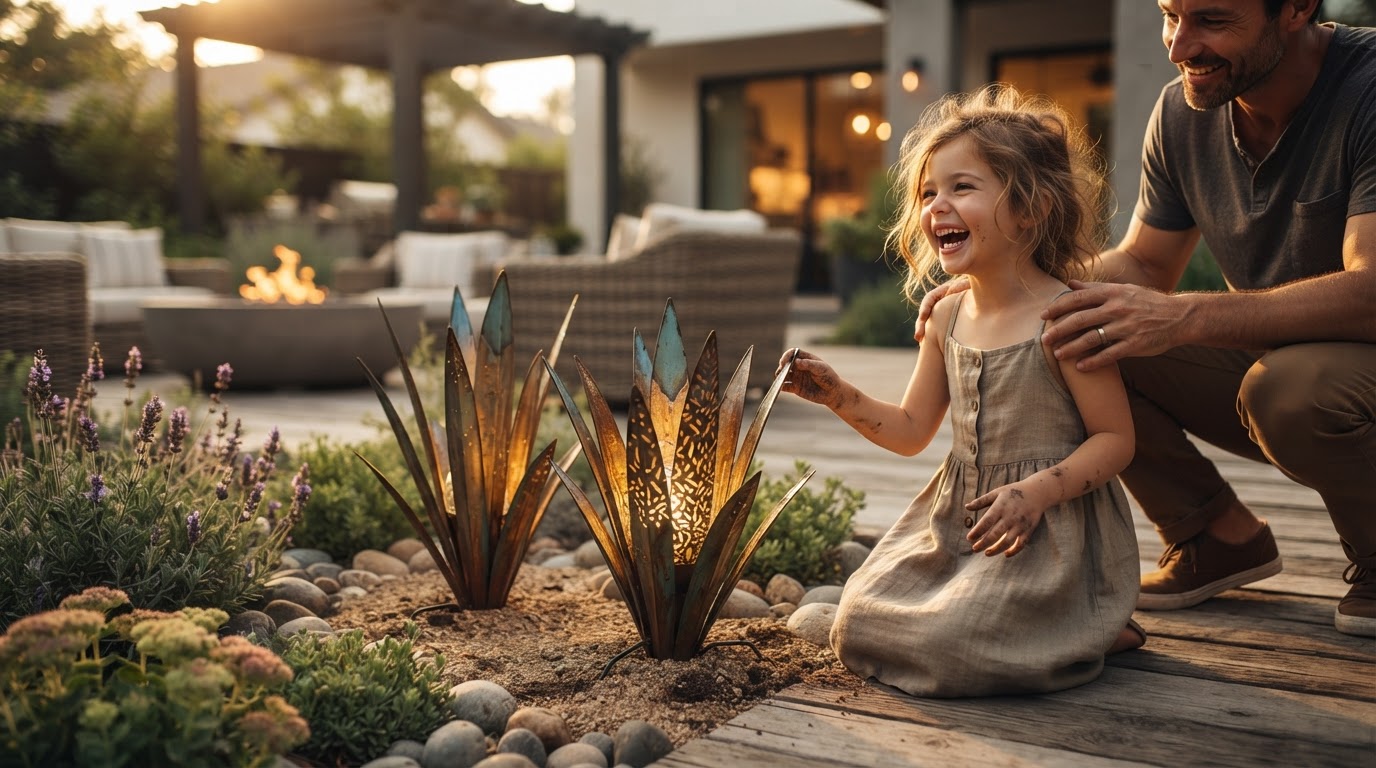
How do you install an artificial agave plant with solar lights?
 Priya RamanSenior Analyst
October 20, 2026 — Installing an artificial agave plant with solar lights requires a dual-focus approach that prioritizes photovoltaic exposure for the internal LEDs while ensuring the polymer or metal base is anchored against local wind conditions.
Homeowners and landscape designers increasingly use these fixtures to solve the maintenance challenges of arid environments without sacrificing nighttime aesthetics. The decision rule for a successful installation depends on the intersection of light saturation and material durability. Think of it as a matrix of solar efficiency and structural stability; if the placement maximizes one but ignores the other, the installation will fail either by losing its charge or by succumbing to environmental wear.
Where should you place solar agave lights for maximum efficiency?
Place the fixture in a location that receives a minimum of six hours of direct, unobstructed sunlight to ensure the internal battery reaches full capacity for nighttime illumination. Two axes matter here: solar orientation and physical clearance from surrounding foliage. Because the solar panels on these units are typically integrated into the base or nestled within the leaves, even partial shade from a nearby wall or a real tree can significantly reduce the lumen output at night. According to Pinterest data on waterproof solar garden agave lamps, user interest peaks around designs that balance aesthetic placement with functional light harvesting. Once you see it this way, you realize that the "artificial" nature of the plant does not exempt it from the light requirements of a living succulent—though in this case, the light feeds the battery rather than the biology. For those integrating these into broader designs, selecting solar agave lights for arid yard landscaping requires assessing the shadow patterns of your specific plot throughout the day.
How do you secure artificial agave plants in desert terrain?
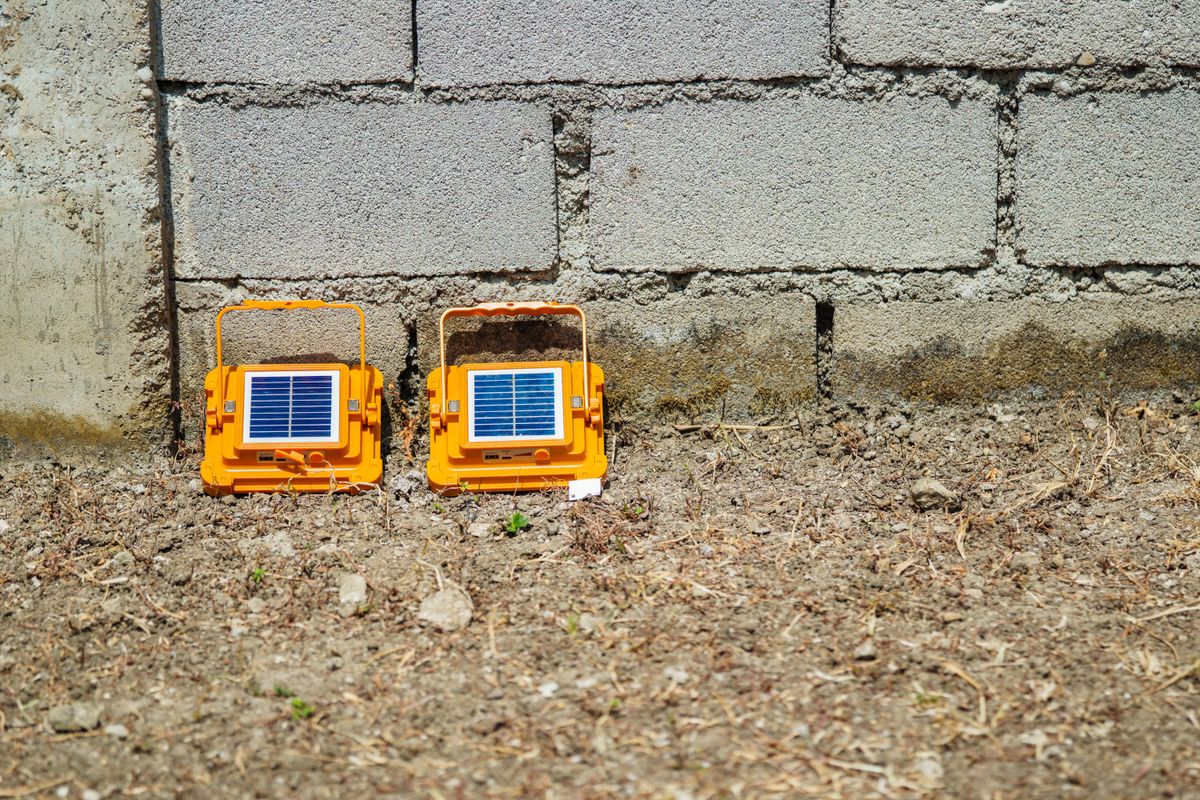
Photo by Nothing Ahead on Pexels
Secure the artificial agave by utilizing ground stakes for soil-based installations or weighted masonry anchors if placing the unit on a patio or rocky outcrop. The durability of the installation is tied directly to the material composition of the faux plant. For instance, Hooks & Lattice notes that outdoor UV-rated agave is specifically built to resist fading and temperature damage, but the physical weight of a 48-inch model necessitates a deep-set anchor to prevent it from becoming a wind sail. If you are using a metal variant, such as the solar-powered metal agave plant garden light found at Menards, the installation process involves ensuring the color-changing LED components are clear of soil debris to maintain the integrity of the light sensor. The decision rule for anchoring is simple: if the plant height exceeds 24 inches, a secondary reinforcement stake is required to handle high-velocity desert winds. This structural step is vital when evaluating faux desert decor for long-term outdoor use, as it prevents the mechanical failure of the internal wiring during storms. Properly secured units contribute significantly to the overall efficacy of solar agave lights for desert landscaping.
Quick answers
Q: Can artificial agave lights withstand extreme heat? A: Yes, high-quality faux succulents, such as those from Autograph Foliages, are manufactured with UV-inhibitors to prevent the material from becoming brittle in temperatures exceeding 100 degrees Fahrenheit. The internal solar components are typically rated for standard outdoor operating ranges, though battery efficiency may fluctuate in extreme thermal peaks.
Q: Do I need to turn the solar agave lights on manually? A: Most models, including the Solar Agave Lights collection, feature an integrated photosensor that automatically activates the LEDs at dusk. Some metal yard art versions from retailers like Menards include a manual override switch located on the underside of the solar housing to allow for storage or specific power management.
Q: How do you clean the solar panels on an artificial agave? A: To maintain a 100% charging efficiency, wipe the solar collector with a damp microfiber cloth every 30 days to remove dust, pollen, or mineral deposits. Neglecting this maintenance can lead to a 20% to 30% reduction in light duration during the evening hours.
Learn more about Solar Agave Lights at https://solyraagavelights.com.
Sources
Photo by quang vinh on Pexels
- Agave - Cacti & Succulents - Autograph Foliages
- Outdoor UV Rated 48" Green Agave - Hooks & Lattice
- Waterproof Solar Garden Agave Lamp - Pinterest