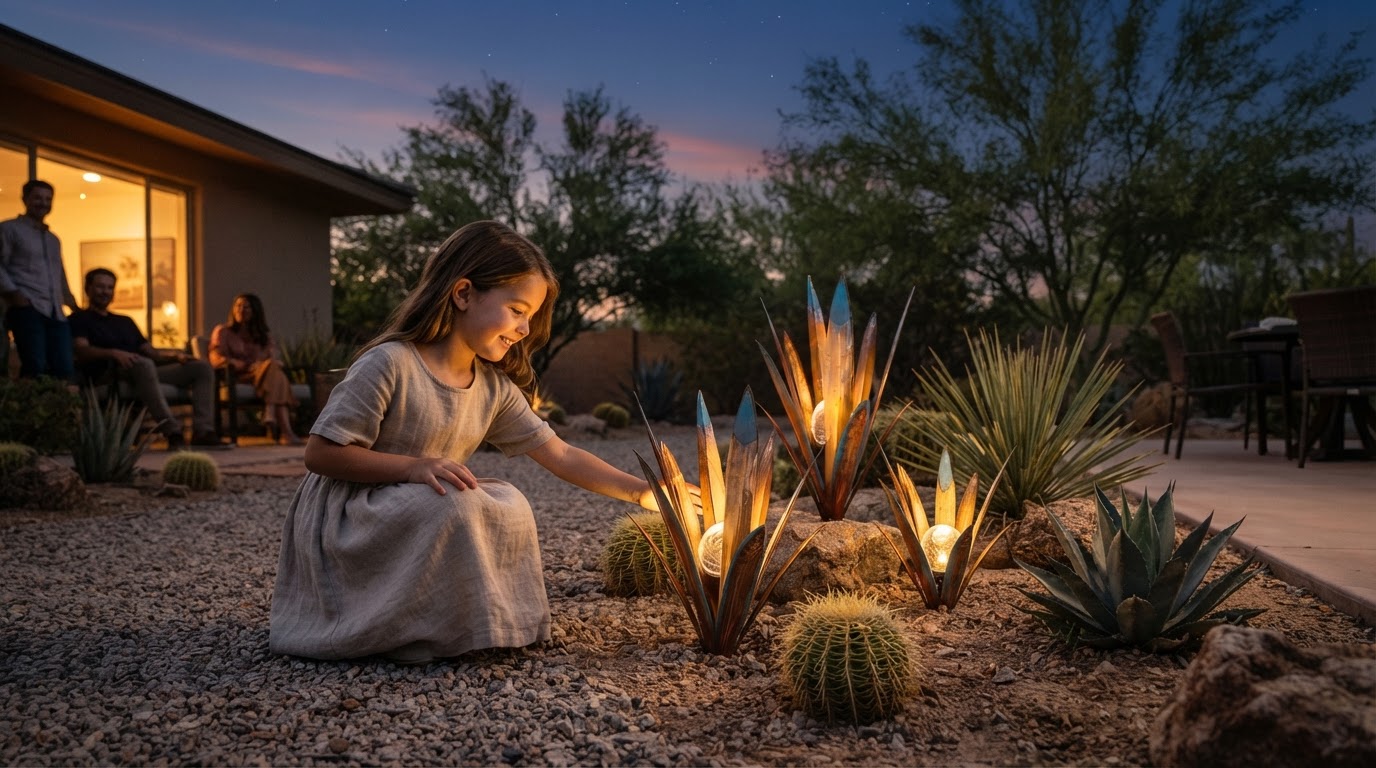
Solar Agave Lights: 4 Steps for Desert Landscaping
 Sam VasquezBuying Guide Lead
September 27, 2026 — The shift toward low-maintenance xeriscaping has driven a surge in interest for durable, integrated garden art like Solar Agave Lights that function without traditional wiring. As homeowners move away from thirsty lawns, these metal sculptures provide both a visual focal point and necessary safety illumination for arid environments.
While traditional plastic path lights often look out of place in a rugged desert setting, modern metal agave designs blend into the natural flora. Industry tests, such as those conducted by Chris Loves Julia, highlight that the effectiveness of solar path lights depends heavily on their ability to withstand environmental exposure while maintaining a consistent glow. For desert dwellers, this means selecting fixtures that won't fade under intense UV rays or become brittle in the heat. Between the standard plastic stakes found at big-box stores and these specialized metal units, I’d go with the metal agave for its longevity and aesthetic integration into a southwestern palette. If you are looking for more variety in your yard, you might also consider desert style solar garden stakes to fill in smaller gaps between larger plants.
The 4 Desert Placement Checks
To get the most out of your Solar Agave Lights, you need to verify placement based on sun exposure and soil density. First, ensure the solar cell, typically located in the center of the agave leaves, receives at least six to eight hours of direct sunlight. In the desert, shadows move quickly, so avoid placing them directly under the canopy of a Palo Verde or Mesquite tree. Second, check the ground stability; unlike soft turf, desert soil is often packed caliche or loose sand. I recommend pre-digging a small pilot hole to secure the base without bending the metal leaves. Third, consider the layering of your light. You can pair these with outdoor metal cactus decor with lights outdoor to create a tiered visual effect that mimics a natural desert wash. Finally, think about the nighttime silhouette. These lights are designed to cast shadows that mimic the plant's spikes, so placing them near a flat wall or large boulder maximizes the architectural impact. For those designing a full yard layout, reviewing desert landscape solar lighting ideas can help you map out the transition from the driveway to the porch. These units typically feature a weather-resistant finish and an internal battery designed for a 6-to-8-hour runtime after a full day of sun, providing a reliable warm glow that enhances southwestern outdoor accent lighting without the need for an electrician.
Expert tip: Use a soft microfiber cloth to wipe the solar panel once a month; in arid climates, fine dust buildup can reduce charging efficiency by up to 30%, significantly shortening the light's duration at night.
If you're on a budget, you might be tempted by cheap plastic alternatives, but they rarely survive a single summer in the Mojave or Sonoran heat. Skip this if you have a heavily forested yard with total canopy cover, as the solar cells won't reach the voltage needed to trigger the dusk sensor. Here's what I'd actually buy: the Solar Agave Light, because it serves as art during the day and a functional fixture at night.
Sources
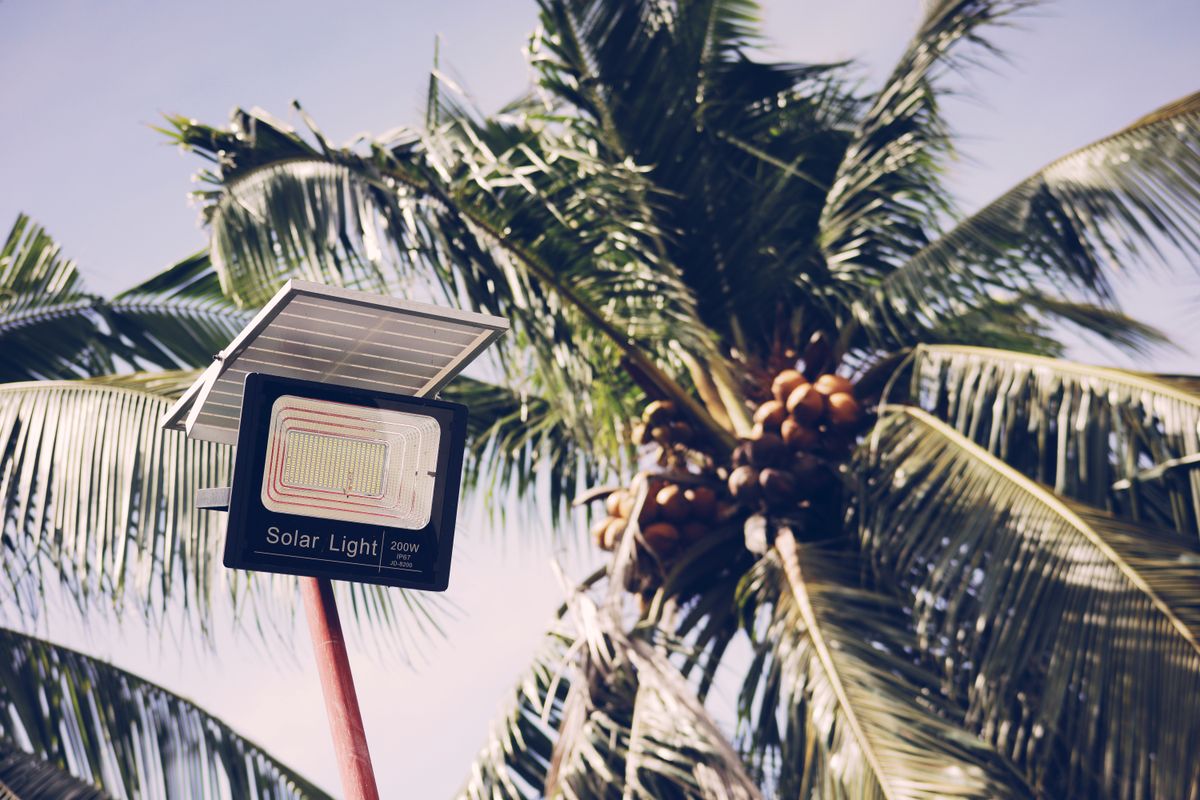
Photo by Nothing Ahead on Pexels
- Solar Lights - Solar Powered Outdoor Lights | VOLT® Lighting
- You Won't Believe These Yard Lights Are Solar Powered - YouTube
- The Best Solar Path Lights of 2026: Tested To Find the Perfect Glow