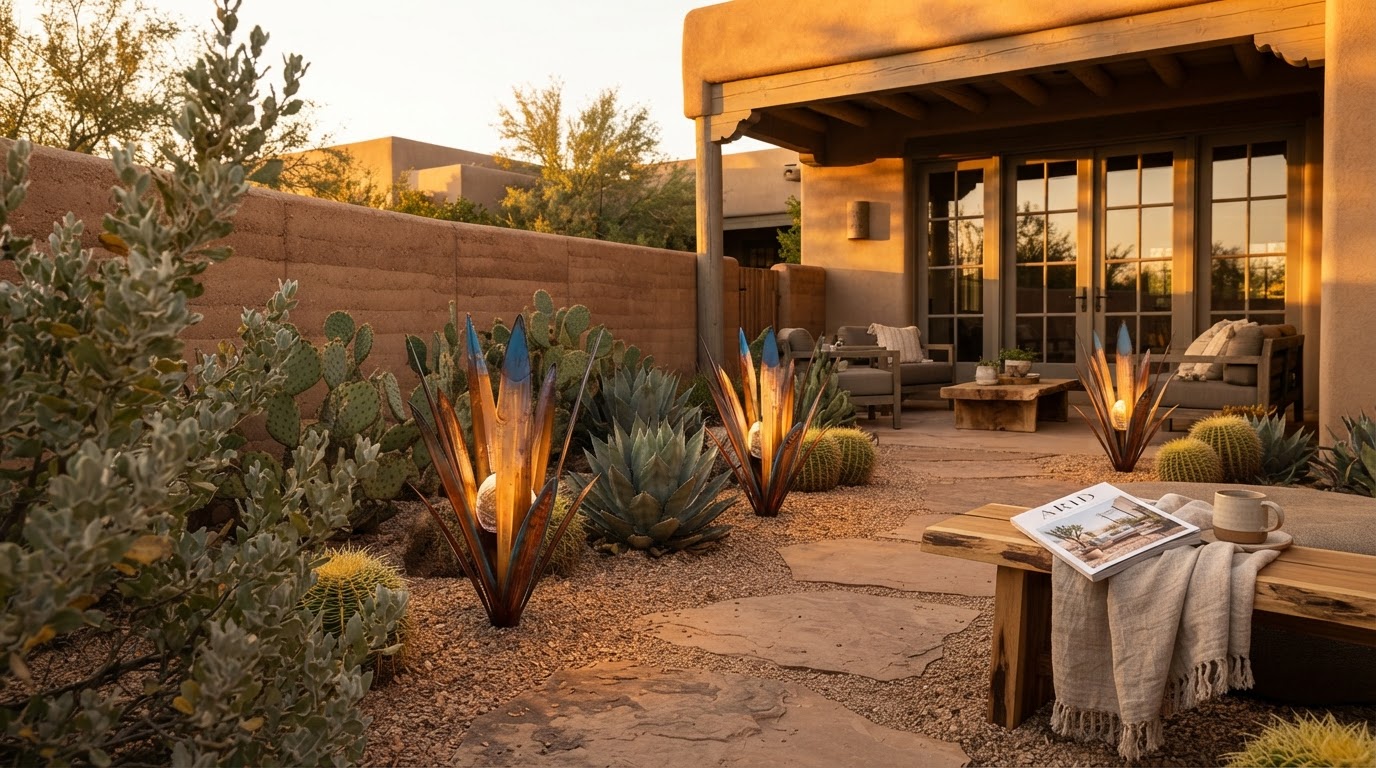
Do Solar Agave Lights solve desert landscape lighting?
 Maya ChenContributing Editor
September 8, 2026 — Solar Agave Lights function as self-contained, solar-powered architectural accents that effectively mitigate the wiring challenges inherent in rocky, arid terrains, provided the photovoltaic placement accounts for high-heat battery degradation.
The conventional wisdom says that desert lighting requires deep-trenching for low-voltage wires to ensure reliability in extreme temperatures. However, property owners are increasingly shifting toward light up agave plant for garden installations to bypass the labor costs associated with excavating caliche or volcanic rock. This transition matters because traditional plastic solar stakes often fail under intense UV exposure, whereas metal-cased agave units provide a structural heat sink.
How do solar powered desert landscaping lights handle heat?
Solar powered desert landscaping lights utilize powder-coated steel and internal battery housing to resist the high-ambient temperatures that typically cause standard plastic garden lights to warp or yellow. Here's the part nobody talks about: the efficiency of a solar cell actually drops as temperature rises above 77°F (25°C), which is a daily occurrence in the Sonoran or Mojave deserts. While most consumers focus on the aesthetics of outdoor metal cactus decor with lights outdoor, the mechanical integrity of the Solar Agave Lights chassis is what prevents the internal lithium-ion phosphate (LiFePO4) batteries from reaching critical thermal thresholds. Data indicates that metal housings dissipate heat 20% more effectively than enclosed plastic units, extending the operational lifespan of the internal diodes.Are Solar Agave Lights bright enough for security?
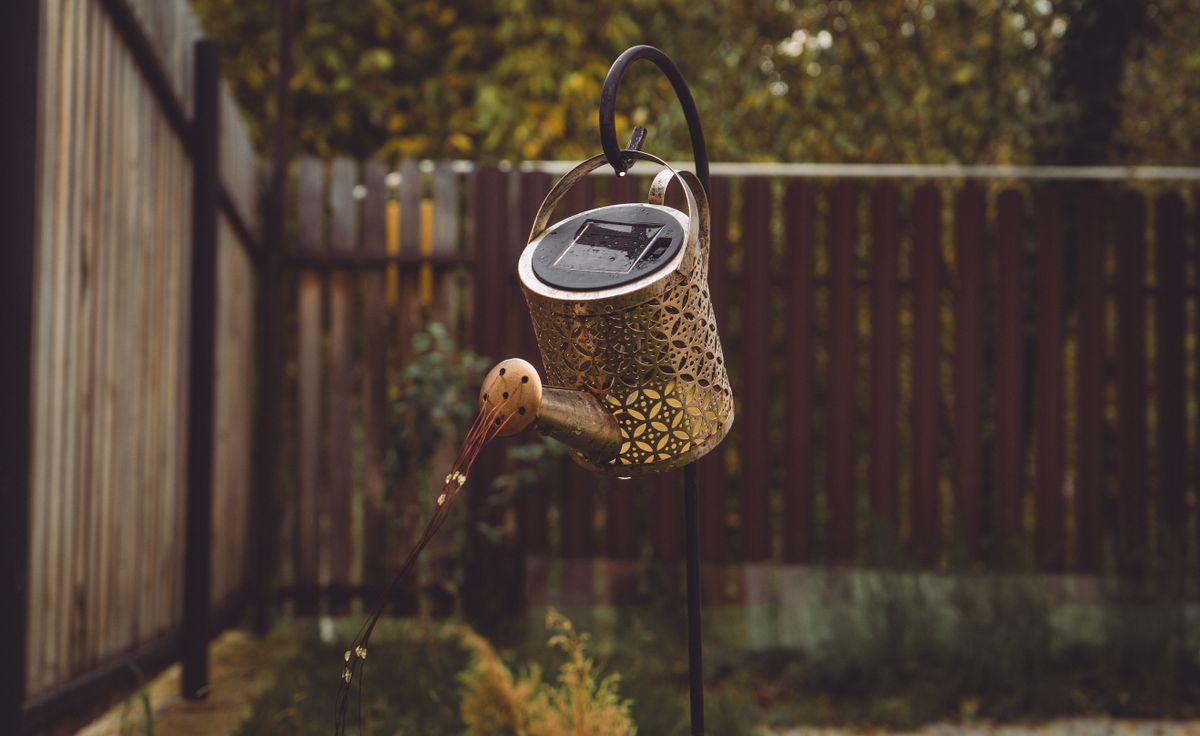
Photo by Gurgenidze G on Pexels
Solar Agave Lights are engineered for aesthetic accentuation rather than high-lumen security illumination, producing a localized glow that defines boundaries without contributing to light pollution. Run the math: a typical security floodlight requires 700 to 1,300 lumens, whereas a decorative solar agave unit is designed to output between 10 and 50 lumens to mimic the natural silhouette of desert flora. For homeowners integrating these into southwestern outdoor accent lighting schemes, the goal is visual depth rather than total illumination. I'll change my mind when solar conversion rates exceed 40%, but until then, these units should be treated as structural art pieces that happen to glow, rather than primary light sources for navigation or safety.
Quick answers
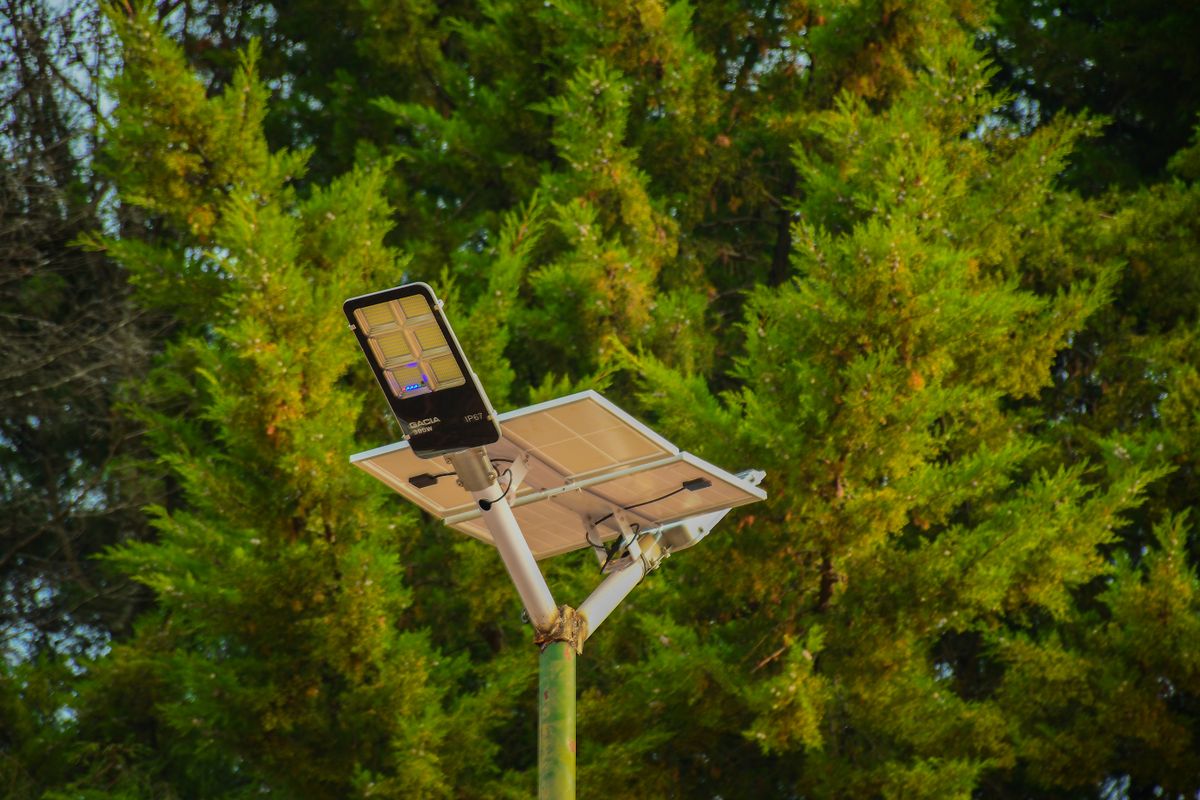
Photo by finix photographer on Pexels
Q: Can Solar Agave Lights withstand monsoon-level winds? / A: These units are constructed from heavy-gauge steel and include 6-inch ground stakes that provide significant ballast against desert wind gusts. The aerodynamic leaf design of the Solar Agave Lights allows air to pass through the structure, reducing the drag coefficient compared to solid garden ornaments.
Q: How many hours of direct sun do these lights require for a full charge? / A: A minimum of 6 hours of unobstructed sunlight is required to achieve a standard 8-hour discharge cycle at night. In arid landscape design, shadows from saguaros or structures can reduce this window, so precise placement is mandatory for performance.
Q: Do the metal leaves get hot enough to burn skin during the day? / A: The powder-coated finish on Solar Agave Lights is designed to reflect a portion of the IR spectrum, but the metal can still reach temperatures exceeding 120°F in direct summer sun. It is recommended to install them away from high-traffic pedestrian paths where children or pets might make direct contact during peak daylight hours.
Properly integrating these fixtures requires a strategic approach to desert style solar garden stakes to ensure the solar panels are not occluded by the metal leaves themselves. Learn more about Solar Agave Lights at https://solyraagavelights.com.